
.png)
State of the City: Building on Tradition, Investing in Tomorrow
July 29, 2026
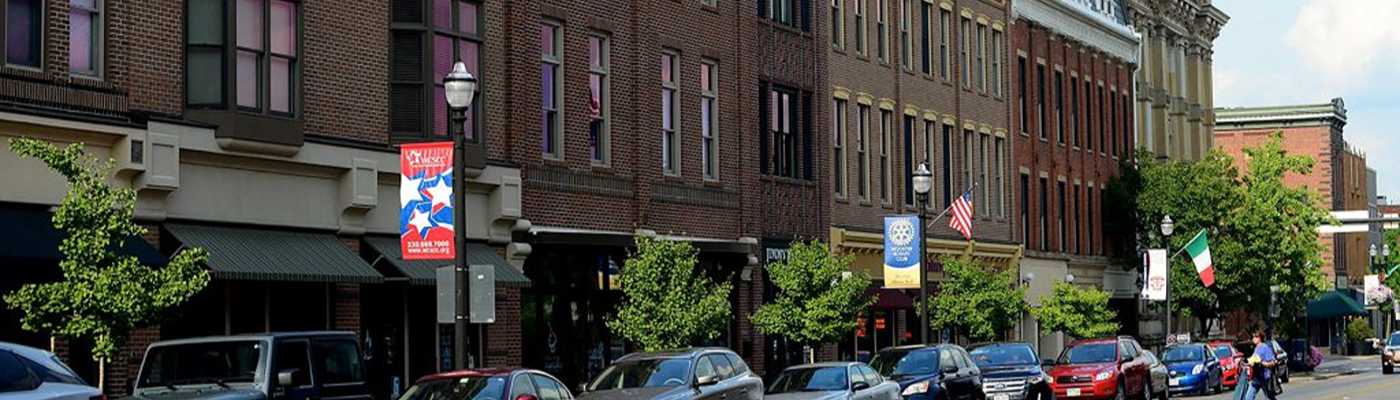
Spend just a few minutes in downtown Wooster, and it's easy to understand why so many people choose to call the city home. Maybe it's the locally owned shops, the historic architecture or the familiar faces that greet you along the way. It's the kind of place where traditions are valued, neighbors know one another by name and progress isn't measured by how much a community changes, but by how thoughtfully it grows.
Home to approximately 27,000 residents, that same spirit extends well beyond downtown. From expanding neighborhoods and thriving businesses to nationally recognized healthcare and infrastructure investments, the City of Wooster continues to grow while preserving the character and sense of community that generations have proudly called home.
That philosophy is reflected in the city's longtime motto, Keeping Tradition a Part of Our Future. Today, as new opportunities emerge, city leaders remain focused on maintaining the qualities that make Wooster unique while making thoughtful investments that support its future.
Looking ahead, city leaders remain focused on three long-term priorities: preserving Wooster's exceptional quality of life, expanding housing opportunities and supporting strategic economic growth.
"Maintaining our quality of life, expanding housing opportunities and supporting strategic economic growth aren't separate goals," said Wooster Mayor Bob Reynolds. "Together, they ensure Wooster remains a place where families want to live, businesses want to invest and future generations can thrive."
City leaders also recognize the challenges facing communities across Ohio, including slower population growth, an aging workforce and increasing competition for skilled workers.
"Meeting those challenges will require continued collaboration among local government, businesses, schools, healthcare providers and community organizations," Mayor Reynolds said. "By investing in housing, strengthening neighborhoods and supporting economic opportunity today, Wooster is working to build a community that remains vibrant and competitive for years to come."
Expanding housing opportunities is one of the city's highest priorities because community leaders recognize that housing and workforce development go hand in hand. While many Ohio communities are experiencing slower population growth and an aging workforce, Wooster is planning ahead to ensure employers can continue attracting the workers they need while offering housing options for young professionals, growing families and retirees alike.
“Wooster continues to prioritize housing for a couple of reasons. First, to address the demand for housing across all income levels, and remain competitive for employers and residents. Studies have indicated that seniors are staying in their homes, so new housing units need to be added to meet the demand and provide attainable options. Secondly, in order to maintain a stable workforce and tax base, we need to attract individuals to move to Wooster and sustain steady growth to counter the region’s slower population growth," said Joel Montgomery, director of administration for the City of Wooster.
One of the tools helping make that growth possible is Tax Increment Financing (TIF), which allows the city to fund public infrastructure needed for new development using the increased property tax value generated by the development itself rather than raising taxes on existing residents.
“TIF enables communities to build new public infrastructure for the public to enjoy, while at the same time, create new permanent tax revenue for schools and others that would have had to otherwise seek new levies from taxpayers,” said Jonathan Millea, development manager for the City of Wooster. “It is an exceptionally counter-intuitive financial tool which has allowed Wooster residents and visitors to enjoy improved safety with high-quality projects, while also lowering tax burdens for homeowners and businesses.”
Those investments are already supporting several residential developments throughout Wooster, including the Wooster Development Company's Spring Run allotment, located off Oak Hill Road, and its 108-home Clear Creek development at the corner of Mechanicsburg and Silver roads. Weaver Custom Homes is also expected to break ground in the coming weeks on Northpointe of Wooster, an 84-townhome development located off Burbank Road near Buehler's Milltown. Additional housing projects remain underway at The Oasis19, Woodcrest11, The Reserve at Deer Creek8 and Crooked Creek7, in addition to apartment and other developments, bringing Wooster's total planned housing growth to approximately 407 new units, a 3% increase in the city's total housing stock.
Looking beyond current construction, the city is also preparing for future housing opportunities through strategic annexations, including approximately 140 buildable acres along Silver Road. Officials are also completing a comprehensive update to Wooster's zoning code, which incentivizes redevelopment in its older neighborhoods while encouraging new homebuilding by allowing higher density, an incentive for developers that also disincentivizes sprawl. City officials also explain that over the last few years, Wooster has consistently been working with prospective developers on new neighborhood developments. Together, these efforts are intended to encourage thoughtful growth, support redevelopment within the city and ensure Wooster remains well-positioned to meet the housing needs of future generations.
Just as housing plays an important role in attracting and retaining residents, maintaining a high quality of life extends far beyond parks, neighborhoods and public services. Access to quality healthcare also plays a vital role in attracting families, supporting employers and ensuring residents can receive the care they need close to home.
Serving on the Wooster Community Hospital Board of Governors, Mayor Reynolds has witnessed firsthand the hospital's continued growth and impact on the community.
“A strong, locally governed hospital is one of the greatest assets a community can have. It ensures decisions are made with the people of Wooster in mind, strengthens our local economy, attracts families and employers, and provides the quality healthcare our residents deserve. Investing in our hospital is an investment in the future of our city,” said Mayor Reynolds.
Wooster's healthcare network is anchored by Wooster Community Hospital and strengthened by providers including Cleveland Clinic, Akron Children's Hospital, Viola Startzman Clinic and numerous specialty practices. Together, they offer a breadth of healthcare services rarely found in communities of Wooster's size.
That strength has also earned national recognition. Wooster Community Hospital's recently expanded facility has received recognition through placement on Newsweek's World's Best Hospitals list, along with honors from Becker's Healthcare and Forbes. Those accolades not only reflect the quality of patient care but also reinforce healthcare's important role in supporting Wooster's long-term vitality.
As the economic hub of Wayne County, Wooster continues to support long-term economic growth through strategic planning, infrastructure improvements and responsible financial management. Those efforts not only help existing businesses expand but also position the community to attract new employers, investment and future opportunities.
The city also continues to leverage a variety of economic development tools, including its Community Reinvestment Area (CRA), Commercial Property Assessed Clean Energy (C-PACE) financing and TIF, to encourage private investment, support redevelopment and strengthen Wooster's long-term economic competitiveness.
The CRA provides real property tax exemptions for property owners who renovate existing or construct new buildings within a defined area. Meanwhile, C-PACE financing allows commercial property owners to fund energy efficiency, water conservation, renewable energy and resiliency improvements through a property tax assessment.
“Investing in Economic Development is ultimately about cultivating opportunity for prosperity for residents and businesses,” Millea explained. “It requires appreciating the real sacrifices individuals and organizations make when launching a new venture, expanding operations or improving property. By coordinating strong programs and partnerships, a community can create an ecosystem where an entire city can thrive.”
City leaders also continue to pursue state grants and other funding opportunities to invest in infrastructure that supports future growth. Current efforts include the Hospital Kidney project, a new roundabout designed to improve traffic flow and access around Wooster Community Hospital and the surrounding area, as well as environmental remediation at 517 E. Liberty St., the former Tire Centers Inc. property, to prepare the site for future redevelopment.
Wooster's strong financial position continues to provide the foundation for long-term investment throughout the community. Over the past decade, the city has maintained between 180 and 220 days of cash reserves while revenues have grown at an average annual rate of 4.3 percent. Those levels of reserve exceed those maintained by similar-sized communities, even though on average Wooster's tax rates are among the lowest for a community its size. Further evidencing the stability brought by strategic, long-term planning is the city's AA bond rating, the highest level available for communities of its size.
“Responsible financial stewardship means making smart decisions today while preparing for tomorrow. Every investment we make should strengthen our infrastructure, improve services, and position Wooster for long-term success without losing sight of our responsibility to taxpayers,” Mayor Reynolds stated.
That financial strength has allowed the city to invest in projects that improve both quality of life and long-term infrastructure, including a new fire station, expanded bike paths, significant upgrades to the wastewater treatment system and improvements to the city's water treatment facilities and municipal wells.
Early financial indicators continue to point toward a healthy local economy. Through the first half of 2026, both bed tax and income tax revenues have remained strong, reflecting continued economic activity throughout the community.
As Wooster looks to the future, its vision remains rooted in the values that have shaped the community for generations: preserving the qualities that make it a great place to live while making thoughtful investments that support continued growth and opportunity.
Whether through expanding housing, strengthening healthcare, supporting local businesses or investing in infrastructure, each initiative reflects the city's commitment to building on tradition while preparing for tomorrow.
For residents, businesses and visitors alike, that's what the State of the City is all about—not simply responding to today's needs, but ensuring Wooster remains a thriving community for generations to come.
To learn more about the city's development initiatives, visit woosteroh.com/development. To explore Wooster's citizen-led Comprehensive Plan, visit wooster.com/planning.


